Unveiling the Authentic Spanakopita: A Culinary Journey
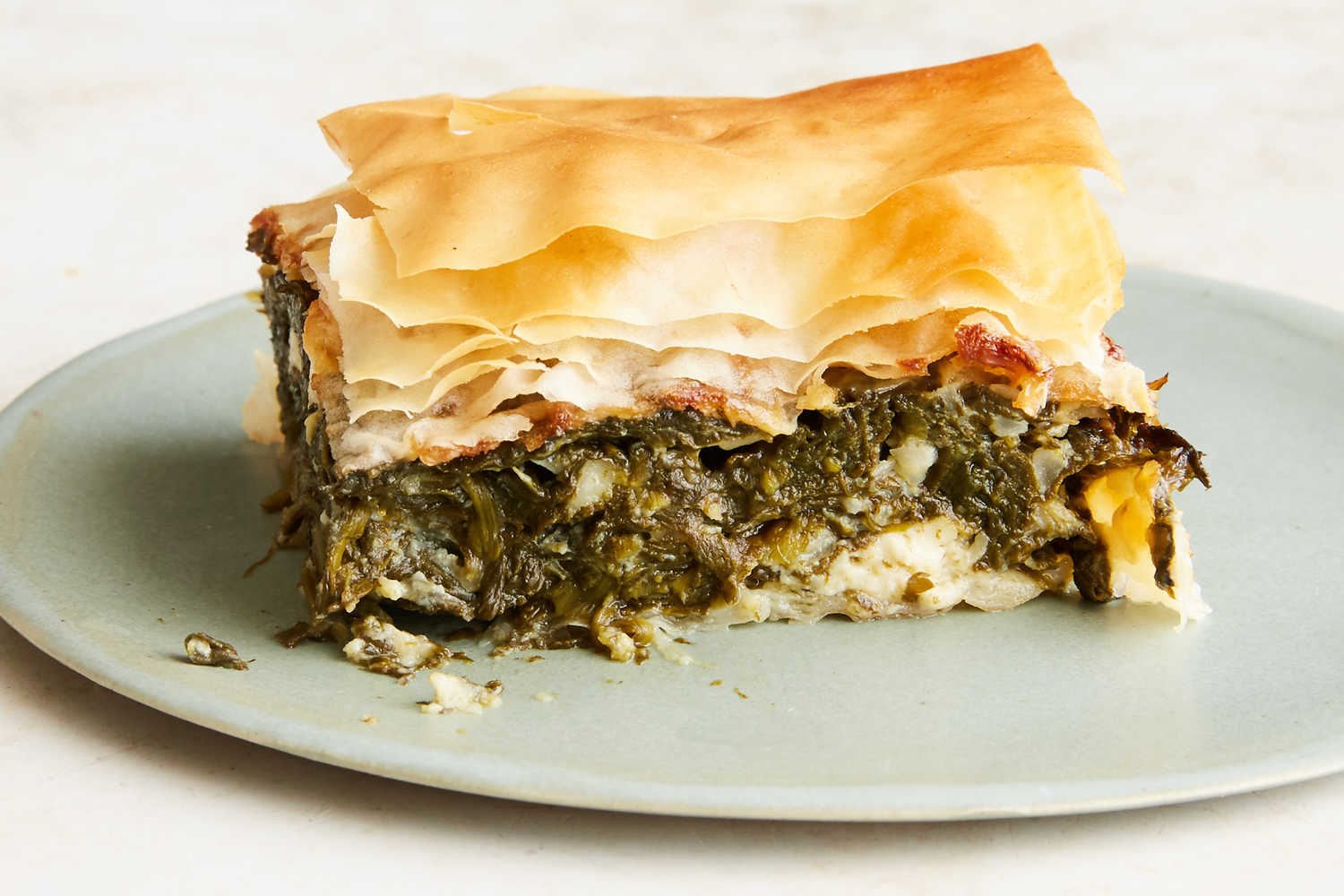
There are few dishes that encapsulate the soul of Greek cuisine quite like Spanakopita. This iconic savory pie, with its perfectly crispy layers of phyllo dough embracing a comforting, herb-infused spinach filling, is a true testament to simple ingredients transformed into something extraordinary. While many have enjoyed variations of this classic, an authentic spanakopita recipe, especially one featuring homemade phyllo, elevates the experience to an entirely new level, echoing the culinary wisdom passed down through generations of Greek grandmothers.
Far from being just a side dish, Spanakopita commands attention as a delicious main course, a perfect companion to a vibrant Greek salad, or a cherished centerpiece at holiday gatherings. If you've never experienced the magic of homemade Spanakopita, you're in for an unforgettable treat. This article delves deep into the essence of preparing this beloved Greek spinach pie, guiding you through the critical steps and nuanced flavors that make it so special.
Understanding the Soul of Spanakopita: Spinach, Herbs, and the Feta Debate
At its heart, Spanakopita is a celebration of fresh, vibrant spinach and aromatic herbs, encased in delicate pastry. Historically, a traditional spanakopita recipe is actually vegan, meaning it contains no cheese. This distinction is crucial in Greek culinary parlance: if you add feta cheese to your spinach pie, it technically transforms into Spanakotiropita (Spinach and Cheese Pie).
While feta cheese undeniably complements the sweetness of spinach, adding a delightful sharp, savory contrast, it can sometimes overshadow the subtle, clean, and fresh herby notes that are the hallmark of pure Spanakopita. We highly recommend trying both versions. Prepare a batch without feta to truly appreciate the nuanced flavors of the spinach and herbs, and then try it with a generous crumbling of feta for a different, equally delicious experience. Many choose to make feta an optional addition, allowing diners to customize their preference.
Crafting the Heart of the Pie: Aromatic Filling Secrets
The filling is where the true flavor profile of your Spanakopita comes alive. A harmonious blend of fresh ingredients, expertly prepared, is paramount for an outstanding result.
- Spinach: The Foundation
Fresh spinach is always preferred for its superior texture and vibrant flavor. Thoroughly wash the spinach and don't discard the stems entirely – finely chop them and include them in the filling for added texture and a deeper earthy flavor. If fresh spinach isn't available, frozen spinach can be used, but remember to thaw it completely and squeeze out all excess water to prevent a soggy pie. A traditional touch often involves a mixture of spinach and Swiss chard, adding another layer of complexity. - Aromatics: Sweetness and Depth
The cornerstone of a flavorful filling includes a generous sauté of red onion and spring onions. Sautéing them slowly caramelizes their natural sugars, imparting a wonderful sweetness that balances the slight bitterness of the spinach. Leek is another fantastic addition, contributing its mild, sweet oniony notes. - Fresh Herbs: The Aromatic Symphony
This is where personal preference and regional variations truly shine.- Dill or Fennel Greens: These are classic choices, with wild fennel greens offering an even more intense, anise-like aroma if you can find them.
- Fresh Spearmint: A staple in many traditional recipes, spearmint provides a refreshing, cooling counterpoint. Be cautious, as mint can be quite potent; use it sparingly or adjust to your taste.
- Alternatives: If mint isn't to your liking, or you prefer a more subtle profile, fresh parsley is an excellent substitute. Some modern twists even incorporate sweet holy basil, which, while not strictly traditional, pairs beautifully with spinach.
- Coarse Sea Salt: The Essential Drainer
Coarse sea salt isn't just for seasoning; it's vital for drawing out moisture from the spinach. Rubbing the spinach with salt before combining it with other ingredients helps prevent a watery filling and ensures a crispier pie. - Optional Additions and Variations:
- Feta Cheese: As discussed, adding feta transforms it into Spanakotiropita, offering a salty, tangy kick.
- Eggs: Some recipes incorporate eggs into the filling to help bind it and add richness, a common practice in certain Greek regions.
- Rice: A small amount of rice can be added to absorb excess moisture and thicken the filling, resulting in a heartier pie.
- Garlic: While many recipes include garlic, especially modern ones, traditionalists often caution against it, finding its flavor too strong for the delicate balance of herbs. If you do use it, opt for fresh spring garlic for a milder touch.
Mastering the Magic of Homemade Phyllo Dough
While store-bought phyllo is a convenient option, preparing your own homemade phyllo dough truly distinguishes an authentic spanakopita recipe. It's more flavorful, tender yet crispy, and offers a texture that simply can't be replicated. Don't be intimidated; the process is more forgiving than you might imagine, and the results are profoundly rewarding.
The key ingredients for a sublime homemade phyllo dough include:
- All-purpose flour: The structural backbone of the dough.
- Extra virgin olive oil: Crucial for elasticity, flavor, and contributes to the golden crispness during baking. Using high-quality olive oil here makes a noticeable difference.
- Red wine vinegar: Or white wine vinegar, or even apple cider vinegar. The acidity helps to tenderize the dough and make it more pliable, allowing it to stretch incredibly thin without tearing. It also contributes to the dough's elasticity.
- Sea salt: For seasoning the dough.
- Water: To bring the dough together.
- Cornstarch: A secret weapon! Mixed with flour, cornstarch makes the phyllo dough much easier to roll out to paper-thinness. More importantly, it contributes significantly to the characteristic crispiness of the baked phyllo, giving it that delightful shatter.
The process involves kneading a soft, elastic dough, allowing it to rest, and then meticulously rolling it into incredibly thin sheets, often with the aid of a long, thin rolling pin (a plaste). The effort is well worth it for the superior taste and texture.
Assembling Your Spanakopita: Layers of Perfection
An authentic spanakopita recipe typically features multiple layers of both phyllo and filling, ensuring a substantial pie with a perfect ratio of crisp pastry to savory greens. This often means creating 3 distinct layers of filling, each nestled between generous applications of phyllo brushed with plenty of extra virgin olive oil. This layering technique prevents the pie from becoming overly dense and ensures every bite is a delightful combination of textures.
Tips for Success during assembly:
- Don't skimp on the olive oil: Brushing each layer of phyllo generously with good quality extra virgin olive oil is vital. It's what gives the phyllo its golden color, incredible crispness, and rich flavor.
- Even distribution: Spread the filling evenly across the phyllo layers to ensure consistent flavor and baking.
- Seal properly: Fold and crimp the edges of the top phyllo layers to seal the pie, preventing the filling from drying out.
- Score before baking: Gently score the top layers of phyllo into serving portions before baking. This helps steam escape and makes cutting the hot pie much easier later.
Beyond the Plate: Serving and Savoring Spanakopita
Once baked to a golden, crispy perfection, your homemade Spanakopita is ready to be enjoyed. It's incredibly versatile and can be served warm or at room temperature, making it ideal for various occasions. It pairs beautifully with a simple green salad, a traditional Greek salad, or even heartier options like lamb or lemon chicken for a holiday feast.
While the traditional spanakopita recipe we've explored here offers a classic experience, remember that Greek cuisine is rich with regional variations. Some areas might add different herbs, a touch of nutmeg, or even incorporate different types of greens beyond spinach and chard. Each variation tells a story, a culinary legacy passed down through generations.
Embarking on the journey of making Spanakopita from scratch, especially with homemade phyllo, is more than just cooking; it's an immersive experience in Greek culinary tradition. The aroma that fills your kitchen, the satisfaction of creating something so profoundly delicious with your own hands, and the joy of sharing it with loved ones – these are the true rewards of this cherished dish. So, gather your ingredients, clear your counter, and prepare to create a truly heavenly Greek Spinach Pie that tastes just like a Greek grandma's!
