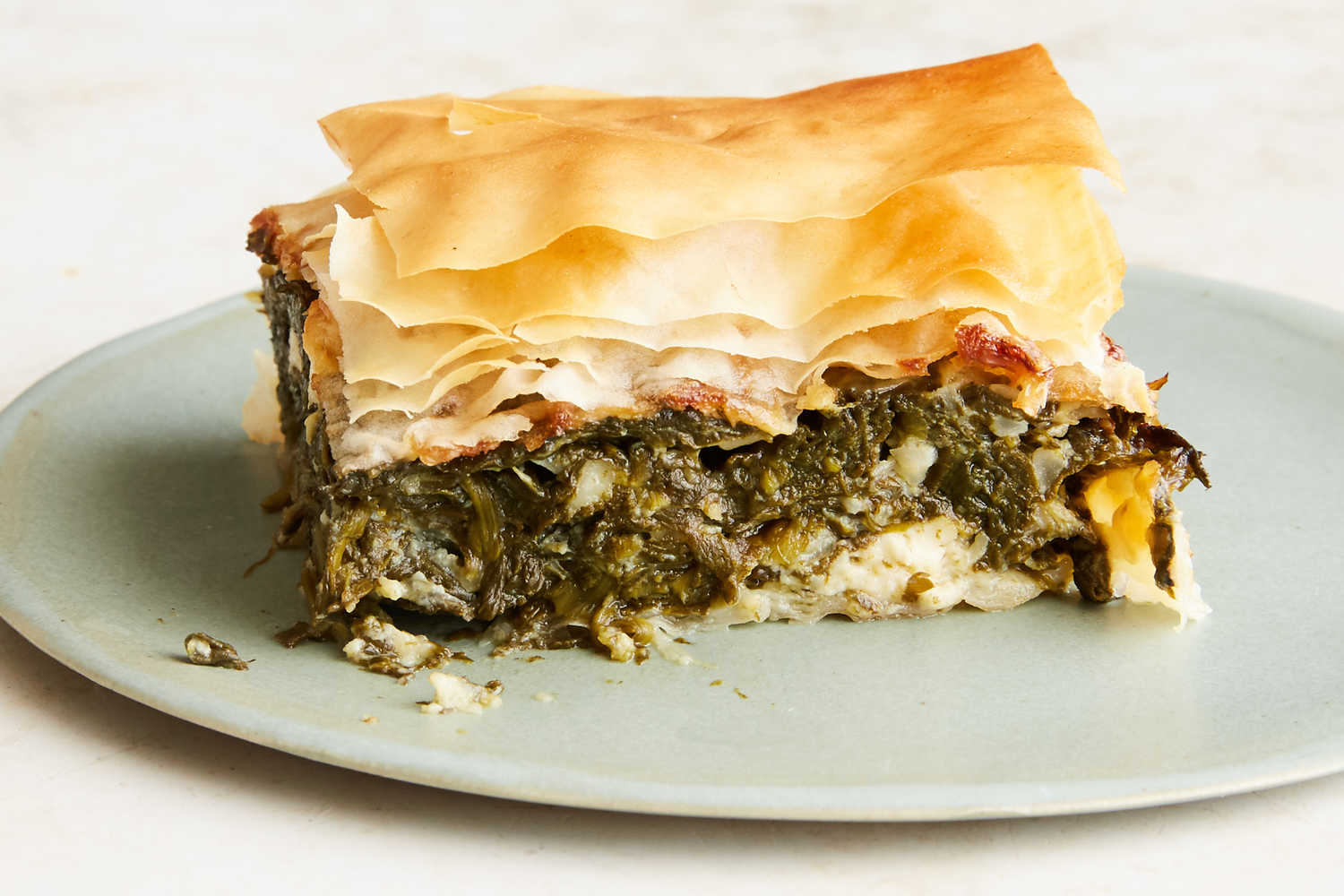
There are few culinary experiences as satisfying as biting into a perfectly crafted piece of Spanakopita. This iconic Greek savory pie, with its layers of crisp, golden phyllo embracing a rich, aromatic spinach filling, is a testament to the simplicity and flavor of Mediterranean cuisine. While often found pre-made, learning to master an authentic spanakopita recipe from scratch elevates it to an entirely new level – a true culinary delight that tastes just like a Greek grandma would make.
Understanding the Soul of Spanakopita: Beyond Just Spinach and Phyllo
At its heart, Spanakopita, or Greek Spinach Pie, is a celebration of fresh, earthy flavors encased in a delicate, buttery (or olive oil-brushed) pastry. However, there's a fascinating distinction many might not realize. A truly traditional Spanakopita recipe is actually a vegan dish, made purely with spinach and herbs. The popular version that many are familiar with, which includes feta cheese, is technically called Spanakotiropita (Spinach and Cheese Pie).
This distinction isn't just a matter of semantics; it dramatically influences the flavor profile. The traditional Spanakopita allows the fresh, clean, and subtly sweet flavors of the spinach and herbs to shine through, unmasked by the sharp tang of feta. When feta is added, as in Spanakotiropita, it introduces a wonderful savory contrast that many find irresistible. Our advice? Try both! Experience the pure, herby essence of classic Spanakopita, then experiment with feta. You might discover a new favorite, or simply appreciate the nuances of each. We'll mention feta as an optional, but highly recommended, addition for those who love that cheesy kick.
Crafting the Irresistible Spanakopita Filling
The filling is where the magic truly happens in any good spanakopita recipe. It's a harmonious blend of fresh ingredients, carefully prepared to create a moist, flavorful core that complements the crispy phyllo.
The Greens: Spinach and Beyond
- Fresh Spinach is Key: While frozen spinach can be used (approximately 500g/1 pound frozen for 700g/1.5 pounds fresh, thawed and well-drained), fresh spinach offers superior texture and vibrant flavor. Don't discard the stems entirely! Finely chop them and include them in the filling; they add a delightful crunch and extra earthiness.
- A Touch of Chard: In Greece, it's common to mix spinach with Swiss chard. This adds another layer of flavor and texture. A ratio of 500 grams fresh spinach to 200 grams chard is an excellent starting point.
- Draining is Crucial: Whichever greens you choose, it's vital to wash them thoroughly and then drain them well. Many traditional recipes advise rubbing the spinach with coarse sea salt, allowing it to sit, and then squeezing out excess water. This step prevents your pie from becoming soggy.
Aromatics and Herbs: The Flavor Foundation
- Sweet Onions and Leeks: A generous amount of sautéed red onion and spring onions provides a beautiful sweetness that balances the slight bitterness of spinach. Leeks also contribute to this delicate sweetness and add a silky texture to the filling.
- The Power of Fresh Herbs: This is where a spanakopita recipe truly comes alive. Dill, or wild fennel greens if you can find them, are traditional and provide an unmistakable Mediterranean aroma. Fresh spearmint is another classic, but be mindful of its strength; use sparingly or opt for milder herbs like fresh parsley or even sweet holy basil (though not strictly traditional, it pairs wonderfully) if mint is too potent for your palate. These herbs provide layers of freshness that elevate the entire pie.
- Garlic: A Matter of Preference: While some recipes include garlic, many traditionalists prefer to keep it subtle. If you love garlic, consider using fresh spring garlic, which offers a milder, sweeter flavor than mature garlic cloves, preventing it from overpowering the delicate herb balance.
The Optional Feta: To Add or Not to Add?
As discussed, feta cheese transforms Spanakopita into Spanakotiropita. If you choose to add it, crumble it directly into the spinach mixture. Its salty, tangy profile pairs beautifully with the sweet, herby greens, providing a savory counterpoint that many find irresistible. For an even deeper exploration of flavor variations, including feta, you might find valuable insights in spanakopita recipe - Article 2.
The Crispy Crown: Mastering Homemade Phyllo Dough
While store-bought phyllo is a convenient shortcut, making your own homemade phyllo for your spanakopita recipe is a game-changer. It offers a depth of flavor and a crispness that pre-made versions simply can't match. It's an investment of time, but one that truly pays off in the final product.
Essential Ingredients for Homemade Phyllo:
- All-Purpose Flour: The foundation of your dough.
- Extra Virgin Olive Oil: Not just for brushing, but also incorporated into the dough for pliability and flavor.
- Red Wine Vinegar: This seemingly unusual ingredient is crucial. It helps relax the gluten in the dough, making it easier to roll and contributing to its final crispiness. White wine vinegar or apple cider vinegar are good substitutes.
- Sea Salt: For flavor.
- Water: To bring the dough together.
- Cornstarch: Mixed with flour, cornstarch is a secret weapon for rolling out ultra-thin phyllo. It prevents sticking, makes the dough more elastic, and contributes significantly to that coveted crispy texture once baked.
Tips for Working with Phyllo (Homemade or Store-Bought):
- Keep it Covered: Phyllo dries out incredibly quickly. Always keep unused sheets covered with a damp cloth or plastic wrap.
- Brush Generously with Olive Oil: Each layer of phyllo needs to be brushed with extra virgin olive oil. This is what creates those distinct, shatteringly crisp layers. Don't be shy with the oil; it's essential for both flavor and texture.
- Layering for Success: A traditional spanakopita recipe often features multiple layers of phyllo and filling. For instance, you might have 3 layers of filling separated by phyllo layers, ensuring a good balance of pastry to filling and preventing the pie from becoming too dense. This technique is often detailed further in guides like spanakopita recipe - Article 3.
Assembling and Baking Your Spanakopita Masterpiece
Once your filling is prepared and your phyllo is ready, the assembly process is straightforward. Begin by lightly oiling your baking dish. Layer several sheets of phyllo, brushing each generously with olive oil. Spread one-third of your spinach filling evenly over the phyllo. Repeat this process with more phyllo layers and filling, ending with a final top layer of olive oil-brushed phyllo. Score the top layers gently into serving portions before baking to help with cutting after it's cooked.
Bake your Spanakopita until the phyllo is deeply golden brown and incredibly crisp. The aroma filling your kitchen will be heavenly, a promise of the deliciousness to come.
Serving Your Authentic Spanakopita
Spanakopita is incredibly versatile. It makes a fantastic main course, especially when served alongside a crisp Greek salad or a refreshing Balela salad. It also shines as an impressive side dish for larger gatherings and holiday dinners, pairing beautifully with roasted lamb, lemon chicken, or other Mediterranean fare. Whether served warm from the oven or at room temperature, it's a dish that always impresses and delights.
Conclusion
Embarking on the journey of making an authentic spanakopita recipe from scratch is a rewarding experience. From the careful preparation of the herb-infused spinach filling to the delicate art of working with phyllo, each step contributes to a culinary creation that is rich in flavor, history, and tradition. So, gather your ingredients, take your time, and enjoy the process of bringing this heavenly Greek spinach pie to life in your own kitchen. Kali Orexi!
